Welcome to Lessons Learned in the Field
Real-World Experiences. Practical Solutions. More Defensible Data.
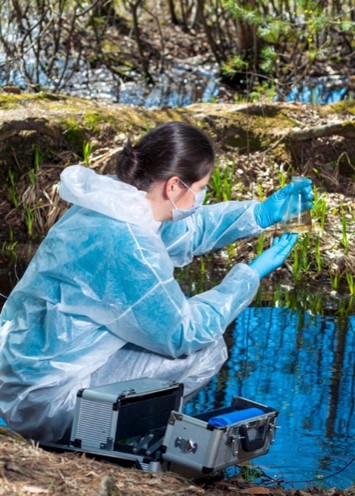 Field work rarely goes exactly as planned. Equipment fails, weather changes, sampling locations present unexpected challenges, and even the smallest oversight can affect data quality, compliance, and the defensibility of results.
What can we learn from the mistakes, challenges, and experiences of others working in the field? More importantly, how can those lessons help us avoid common pitfalls and improve our own practices?
The Workshop will explore real-world field challenges, common audit findings, and practical ways to strengthen field sampling and measurement activities.
Drawing on decades of field auditing, field operations, assessments, and field measurement experience, speakers will share lessons learned, discuss common oversights, and offer practical insights that attendees can take back to their organizations. Topics will include what auditors see in the field, how to manage unexpected operational challenges, what to consider when using test kits to produce reliable and defensible results, etc …
This Workshop will address topics such as:
- What do field auditors see, and what common mistakes and overlooked practices can organizations learn from?
- How can field sampling and measurement organizations prepare for unexpected conditions, equipment failures, difficult sampling locations, and other real-world challenges?
- What recurring deficiencies are identified during assessments, and how can organizations prevent problems with calibration records, documentation, procedures, and contamination control?
- What should organizations consider when selecting and using test kits for field measurements, including method selection, quality control, and regulatory requirements?
- How can field personnel strengthen field readiness, improve quality practices, and help ensure reliable, defensible environmental data?
The Workshop is being sponsored by TNI's National Environmental Field Activities Program (NEFAP). The purpose of the NEFAP is to establish and implement an accreditation program for field sampling and measurement organizations (FSMOs).
- The Standard for FSMOs (Volume 1) is the FSMO competency standard, comparable to TNI's standard for fixed laboratories and is modeled after ISO/IEC 17025 "General Requirements for the Competence of Testing and Calibration Laboratories."
- TNI Standard Volume II is the FSMO Accreditation Body (AB) Requirements to Accredit FSMOs. The AB Standard is based on ISO/IEC 17011 "Conformity Assessment - General Requirements for Accreditation Bodies Accrediting Conformity Assessment Bodies."
The Benefits of Attending
Field work comes with challenges that written procedures alone cannot always anticipate. Learning from the experiences of others can help you recognize potential problems, prevent avoidable mistakes, and strengthen your organization's field practices.
Attendees will have the opportunity to:
- Learn from field audit experience and recognize common oversights that may lead to findings or compromise data quality.
- Improve field readiness with practical approaches to planning for unexpected conditions, equipment problems, and operational challenges.
- Strengthen quality management practices by identifying ways to prevent recurring deficiencies in documentation, calibration, and adherence to procedures.
- Make informed decisions about field measurements by understanding important considerations when selecting and using test kits.
- Support defensible environmental data through improved quality control, documentation, and consistent field practices.
Whether you are a field technician, quality manager, laboratory professional, assessor, or environmental sampling and measurement professional, this Workshop offers practical insights to help you improve your work and bring valuable lessons back to your team.
Don't learn the hard way—learn from those who've been there.
Register today for the Lessons Learned in the Field Workshop and discover how real-world experiences can lead to better field practices and more reliable environmental data.